Medovia Medical
In the clinical environment, patient monitors are crucial for real-time health assessment. However, their alarms can sometimes trigger unexpected concerns. This leads to the essential question: "Why is the alarm on my patient monitor going off?" Understanding the reasons behind these alarms is vital for patient safety and efficient care.
Frequent false alarms can create alarm fatigue among healthcare providers. This fatigue may lead to desensitization, causing staff to overlook critical alerts. One common reason for alarms is improper sensor placement. Technicians must ensure that sensors are applied correctly on patients. Additionally, equipment malfunctions can also provoke alarms, raising questions about equipment reliability.
Awareness of alarm management is key. Healthcare teams must regularly assess and calibrate devices. They should also consider the patient's condition and history. Each alarm should be investigated thoroughly. Continuous education on alarm protocols can enhance response accuracy. Reflecting on alarm incidents can greatly improve patient care and minimize risks.
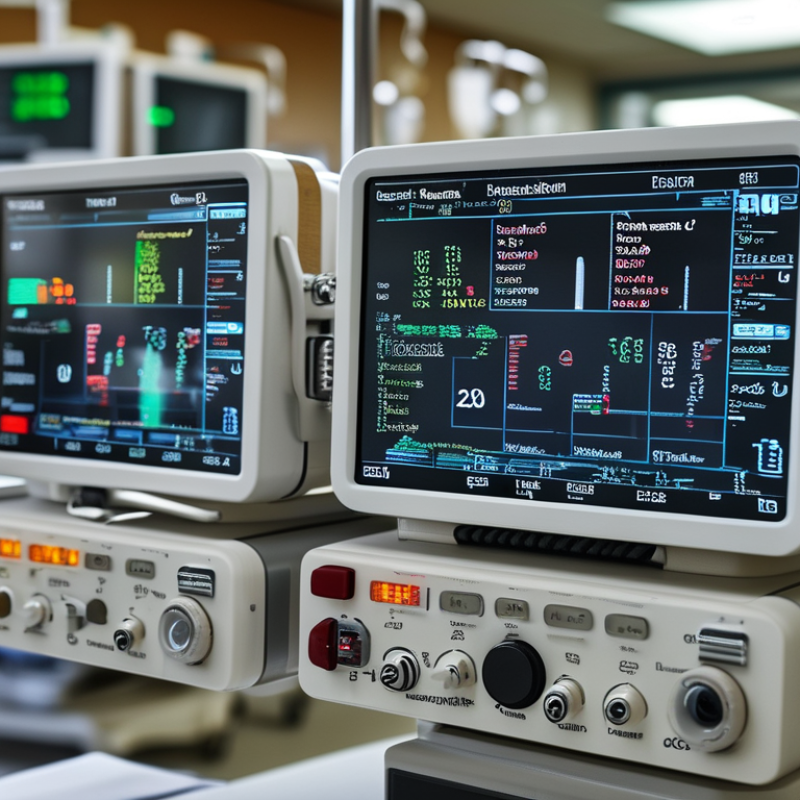
Patient monitor alarms play a critical role in healthcare, providing real-time alerts for changes in a patient's condition. Understanding these alarms is essential for both medical professionals and patients. Each alarm signifies different issues, such as irregular heartbeats or oxygen saturation levels dropping. When an alarm goes off, it can trigger anxiety among patients and staff alike.
The complexity of patient monitoring systems can lead to alarm fatigue. With so many alerts sounding throughout a shift, healthcare providers might overlook important warnings. This can be dangerous. There’s also the challenge of false alarms. These can lead to desensitization, where staff might ignore or dismiss actual emergencies. Regular training and clear protocols can help manage these challenges.
In contrast, clear communication regarding alarms and their meanings enhances teamwork. Staff must understand the implications of each sound. Awareness is crucial for timely interventions. Without this understanding, the purpose of these alarms diminishes. Observing trends in alarm data can facilitate improvements. Each beep should encourage learning, not frustration.
Patient monitors play a critical role in healthcare, alerting staff to changes in a patient’s condition. However, alarms often go off for various reasons. Understanding these can improve response time and patient safety. Common reasons include excessive movement, low battery, or poor sensor placement. Sometimes, the sensitivity settings might need adjustments.
**Tips:** Regularly check the monitor placement to ensure it adheres securely to the patient. This simple step can significantly reduce false alarms.
Frequent alarms may cause alarm fatigue among staff, leading to desensitization. Healthcare professionals must remain vigilant despite the noise. Unaddressed, this can impact patient care quality. Reviewing alarm alerts frequently helps identify patterns that warrant further investigation.
**Tips:** Train staff to differentiate between critical alarms and minor alerts. Proper training can help reduce anxiety levels during emergency situations.
| Alarm Type | Common Causes | Patient Condition | Recommended Action |
|---|---|---|---|
| Heart Rate Alarm | Tachycardia, Bradycardia, Movement | Post-surgery recovery, Cardiac conditions | Check patient vitals; adjust settings if needed |
| Blood Pressure Alarm | Hypotension, Hypertension, Incorrect cuff size | Critical care, Cardiac surgery | Reassess cuff placement and monitor readings |
| Oxygen Saturation Alarm | Respiratory distress, Sensor misplacement | COPD, Pneumonia | Ensure proper sensor placement and administer O2 if needed |
| Temperature Alarm | Infection, Medication side effects | Fever, Hypothermia | Record temperature; treat underlying cause |
| Lead-off Alarm | Loose leads, Patient movement | Any patient monitored continuously | Reapply leads and reassure patient |
Patient monitors are vital in ensuring patient safety. However, alarms can often be a source of frustration. Understanding how to troubleshoot these alarms is crucial. Common reasons include sensor errors, improper placement, or patient movement. Start by checking for loose connections and make sure sensors are clean. Frequent false alarms may lead to alarm fatigue among staff.
Tips: Always verify the settings on the monitor. Adjust alarm limits according to the patient's condition. Simple re-calibrations can resolve many issues. Also, consider the environment. Excessive noise and movement can trigger alarms unnecessarily.
It’s important to remember that not all alarms indicate a critical problem. Frequent alerts may desensitize staff to alarms, causing vital alerts to go unnoticed. Reflect on the reasons behind alarms. Are they truly necessary, or could the settings be optimized? Regular training and drills can enhance familiarity with the system, ensuring alarms are treated with the urgency they deserve.
Alarm fatigue in healthcare settings is a growing concern. With patient monitors constantly alerting staff, the risk of desensitization increases. Healthcare professionals may begin to overlook alarms, leading to critical oversights. Implementing preventative measures can combat this issue effectively.
One strategy is to customize alarm settings. Nurses and techs can adjust thresholds to minimize unnecessary alerts. Regularly assessing alarm parameters based on patient needs helps maintain alertness. Additionally, staff education is critical. Training sessions on the significance of alarms empower the team to respond judiciously.
Efforts to streamline alarm systems can also yield benefits. Consolidating alerts for similar parameters reduces noise. Yet, recognizing that over-reliance on technology may create blind spots is essential. The balance between alarm reassurance and risk awareness must be maintained for optimal patient care.
Patient monitor alarms play a crucial role in healthcare settings. However, not all alarms require immediate action. Sometimes, they can indicate false positives or minor issues. According to a study by the Journal of the American Medical Association, about 72% of alarm notifications are noncritical. Understanding when to seek technical assistance can greatly reduce unnecessary anxiety and improve workflow.
Technical assistance is essential when alarms persist or involve critical physiological changes. Persistent alarms might signal malfunctioning equipment or alarm fatigue among staff. Staff should remember that 30% of nurses report feeling overwhelmed due to alarm frequency. If alarms are ignored too often, vital patient conditions might be overlooked. Monitoring staff training and using proper settings are key to managing alarms effectively.
Tips: Regularly assess the functionality of the patient monitor. Schedule routine maintenance checks. Also, train all staff on alarm parameters to ensure everyone is on the same page. Keeping alarm configurations patient-specific reduces the chance for false alarms. Recognize that not every alarm needs immediate action. Taking these steps fosters a safer environment for both patients and healthcare professionals.
: Common reasons include sensor errors, improper placement, and patient movement. Loose connections can also cause issues.
Verify monitor settings and adjust alarm limits based on the patient's condition. Clean sensors regularly.
Frequent alerts may lead to desensitization. Staff might overlook critical alarms if they become overwhelmed.
Reflect on the reasons behind alarms. Assess if settings can be optimized to reduce unnecessary alerts.
Regular training sessions increase familiarity with the alarm system. Staff learn to treat alarms with urgency.
Excessive noise and movement can trigger alarms unnecessarily. Minimize these factors to reduce false alerts.
Yes, customizing alarm settings can minimize unnecessary alerts and improve response to actual patient needs.
No, over-reliance on technology can create blind spots. Regular staff training and awareness are also important.
Consolidating alerts for similar parameters can reduce noise and improve staff response to alarms.
Not all alarms indicate a major issue. Occasionally, they can signify settings that need adjustment or calibration.
In addressing the query, "Why is the alarm on my patient monitor going off?", it's vital to comprehend the various factors that lead to alarm activation. Patient monitor alarms serve as critical alerts for healthcare providers, signaling potential changes in a patient's condition. Common reasons for these alarms include issues like abnormal vital signs, lead disconnections, or equipment malfunctions.
To effectively troubleshoot these alarms, a step-by-step approach is recommended, starting with checking the monitor settings and patient connections. Implementing preventative measures can significantly reduce alarm fatigue, helping staff respond promptly to genuine emergencies. However, when alarms persist despite these checks, seeking technical assistance is essential to ensure the monitor's functionality and the safety of the patient. By understanding the intricacies of patient monitor alarms, healthcare workers can better navigate challenges and enhance patient care.
