Medovia Medical
Maintaining sterile conditions for surgical tools is critical in healthcare. Effective sterilization prevents infections and ensures patient safety. Many healthcare professionals wonder, "How to maintain sterile conditions for surgical tools?" This question is essential for both surgical teams and medical facilities.
Surgical instruments can harbor pathogens if not properly sterilized. Regular training and adherence to strict protocols are necessary. Despite this, lapses can occur. Sometimes, tools appear clean but still carry unseen contaminants. Continual education is vital for all staff involved in handling these instruments.
In this guide, we will explore the top ten tips for maintaining sterile surgical tools. By focusing on proven practices, we can minimize risks and improve outcomes. Ensuring that every instrument meets the highest standards is an ongoing challenge. Nonetheless, with diligence and commitment, maintaining sterile conditions is achievable.
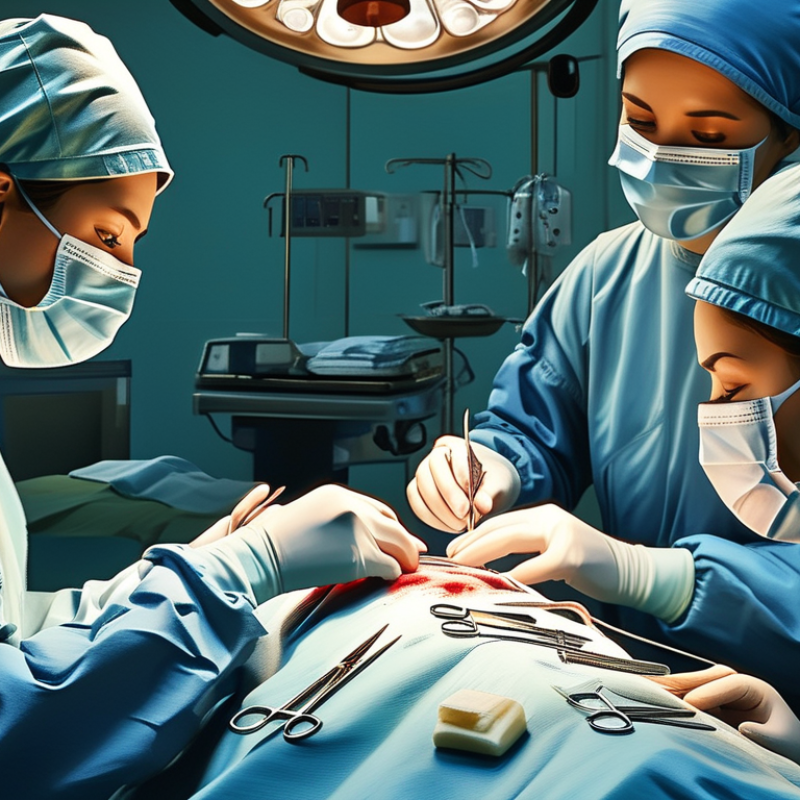
Cleaning surgical tools is critical for patient safety. A study published in the Journal of Surgical Research found that proper cleaning reduces contamination levels by up to 99%. After each procedure, tools must be rapidly transported to the decontamination area. Delays can lead to biofilm formation, which complicates cleaning efforts. It’s essential to soak tools in a cleaning solution immediately after use.
Manual cleaning of instruments is labor-intensive. Proper techniques should include scrubbing with a brush to remove debris thoroughly. Using ultrasonic cleaners can enhance the effectiveness of cleaning by reaching intricate areas that manual cleaning may miss. Data from the Association for Perioperative Registered Nurses suggests that 30% of instruments fail due to inadequate cleaning. Regular training for staff on best practices is crucial.
Proper drying techniques are often overlooked. Air drying is preferred to minimize contamination, but tools can also be dried using lint-free cloths. It’s vital to inspect tools post-cleaning for any signs of residue. Neglecting this step can lead to dangerous infections. Facilities should conduct routine audits to ensure compliance with cleaning protocols.
Proper disinfection of surgical instruments is paramount to ensure patient safety and reduce infection risks. Using effective techniques is essential in any healthcare setting. Regularly sterilizing tools contributes to their longevity and effectiveness.
One tip is the immediate cleaning of surgical instruments after use. Blood and tissue can dry quickly, making disinfection harder. Soaking instruments in a designated solution helps to prevent this. Another vital technique is the validation of your sterilization process. Using biological indicators can provide assurance that the sterilization has been effective. Inspecting tools visually for any residual contamination is also crucial.
Don't forget the importance of storage. Sterile tools should be kept in a clean, dry environment. Using sterile wraps or containers can protect them before surgery. Additionally, staff should be trained continuously on the best practices for maintaining sterile conditions. Regular reviews and reflections on the disinfection protocols can help identify areas for improvement. Each step plays a role in ensuring the safety and success of surgical procedures.
| Tip Number | Tip Description | Recommended Method | Frequency |
|---|---|---|---|
| 1 | Pre-cleaning instruments | Rinse with saline solution | After use |
| 2 | Choose appropriate cleaning agents | Use enzymatic cleaners | Before sterilization |
| 3 | Manual versus automated cleaning | Use ultrasonic cleaners | After pre-cleaning |
| 4 | Proper rinsing | Thoroughly rinse with distilled water | After cleaning |
| 5 | Drying instruments | Air dry or use a soft cloth | After rinsing |
| 6 | Sterilization methods | Autoclaving | Per use |
| 7 | Check for damage | Visual inspection | Before each use |
| 8 | Proper storage | Store in a sterile container | After sterilization |
| 9 | Tracking instrument usage | Maintain logs | Ongoing |
| 10 | Training staff | Regular training sessions | Annually |
Storing sterilized surgical tools requires careful consideration. According to the Centers for Disease Control and Prevention (CDC), improper storage can lead to contamination. Tools must be kept in a clean, dry environment. This prevents recontamination after sterilization.
Ensure that the storage area is well-ventilated. Good airflow helps maintain sterility. Use closed cabinets made of non-corrosive materials. Sterilized tools should be covered to protect them from potential environmental contaminants. Regular inspections of storage areas can help identify any issues.
Always label sterilized tools clearly. This promotes organization and prevents confusion. Using color-coded systems can be beneficial for quick identification. Regular training for staff on proper storage protocols can enhance compliance. Understand that even small lapses can lead to significant risks. Reflecting on past incidents can guide improvements in your storage processes.
Regular maintenance checks are crucial for ensuring the integrity of surgical tools. Each tool must undergo a thorough inspection after every use. This reduces the risk of contamination. A checklist can help streamline this process, ensuring no detail is overlooked. Inspect for any signs of wear or damage. Rust or pitting can compromise a tool’s effectiveness. When tools are used repeatedly without proper checks, it can lead to serious medical consequences.
Cleaning is as important as inspection. Tools should be cleaned immediately after use. This helps prevent biofilm buildup. Consider using ultrasonic cleaners for a deeper clean. Pay attention to crevices and joints where debris may hide. Storing tools in a sterile environment is essential. However, even sterilized tools can become contaminated if not stored properly. Regular audits of storage conditions can help catch potential issues. These practices foster a culture of safety and excellence in surgical environments.
Despite diligent efforts, lapses can occur. Sometimes tools are overlooked or improperly stored. It’s vital to encourage open discussions about these mistakes. Learning from errors builds a stronger protocol that benefits everyone. By valuing feedback and continuously improving practices, the integrity of surgical tools can be safeguarded.
Maintaining sterile surgical tools is crucial for patient safety. Selecting the right sterilization method is key. Autoclaving is one of the most effective techniques. It uses high-pressure steam to eliminate all forms of microbial life. Ensure that the tools are properly wrapped to allow steam penetration. This helps in achieving effective sterilization.
Another method is chemical sterilization. This involves using liquid chemical agents to disinfect tools that are sensitive to heat. Pay careful attention to the concentration and exposure time. The right conditions are necessary for chemicals to work effectively. Always check the manufacturer's guidelines for proper use.
Monitoring sterilization processes is essential. Regular biological testing helps ensure that autoclaves are functioning properly. Documentation of sterilization cycles is crucial for traceability. Mistakes can happen, and audits can reveal lapses in procedures. Reflecting on these practices allows us to improve and adapt continuously. Advocating for a culture of safety ensures that everyone in the operating room adheres to these standards.
: Proper storage prevents contamination and ensures tools remain sterile until needed.
A clean, dry, and well-ventilated area is ideal for maintaining sterility.
Tools should be covered to protect them from environmental contaminants, ensuring safety.
Clearly labeling tools and using color-coded systems can aid organization and identification.
Regular inspections help identify potential issues and ensure compliance with storage protocols.
Autoclaving is very effective, using high-pressure steam to eliminate all microbial life.
Attention to concentration and exposure time is critical for effective disinfection.
Regular biological testing and documentation of sterilization cycles ensure proper functioning.
Small mistakes can lead to significant risks for patient safety and health.
Training staff and reflecting on past incidents encourages adherence to safety standards.
Maintaining sterile conditions for surgical tools is crucial for ensuring patient safety and preventing infections. The process begins with essential steps for cleaning surgical tools immediately after use, which involves thorough removal of debris and organic material. Following cleaning, proper disinfection techniques should be applied to eliminate any remaining pathogens. Guidelines for safe storage of sterilized surgical tools are equally important, as they must be kept in a clean, dry, and easily accessible environment to maintain their sterility.
Regular maintenance checks are necessary to ensure the integrity of surgical tools, allowing for timely identification of wear or damage that could compromise their effectiveness. Additionally, implementing best practices for sterilization methods in surgery helps establish a reliable protocol for achieving high levels of sterility. By adhering to these comprehensive measures, medical professionals can effectively answer the question of how to maintain sterile conditions for surgical tools, ultimately promoting better outcomes in surgical procedures.
