 Medovia Medical
Medovia Medical
Medovia Medical
In the fast-evolving field of healthcare, extending the lifespan of high-end medical machinery is crucial. According to a report by MarketsandMarkets, the global medical equipment maintenance market is expected to reach $54 billion by 2025. This highlights the significant investment in maintaining reliable medical technologies. “How to extend the lifespan of high-end medical machinery?” is a question many facilities grapple with today. Dr. Sarah Thompson, an expert in medical device management, once stated, “Routine maintenance and proper training are the keys to maximizing equipment durability.”
Medical devices require careful handling and appropriate care. Failure to adhere to maintenance schedules can lead to costly repairs and equipment downtime. A study from the National Institutes of Health revealed that improper maintenance accounts for nearly 30% of unplanned equipment failures. This staggering figure should prompt healthcare providers to invest in effective management strategies. For example, implementing a structured maintenance protocol can significantly enhance reliability.
Facilities often overlook minor issues that can escalate into major problems. Regular inspections help identify potential risks before they manifest. As we explore actionable tips, understanding the critical factors influencing longevity becomes paramount. Prioritizing equipment lifespan ensures better patient outcomes and optimized operational efficiency, which serves both healthcare providers and patients alike.
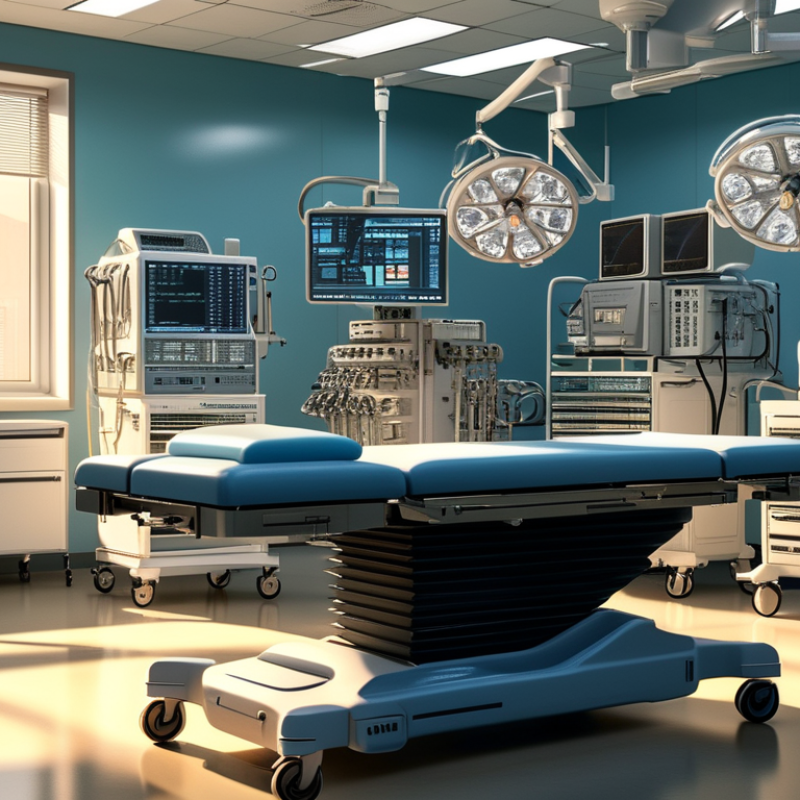
Maintaining high-end medical equipment is essential for durability and reliability. Regular maintenance ensures that devices function optimally. Perform daily cleaning of surfaces to prevent contamination. This simple act protects patient health and equipment longevity.
Schedule preventive maintenance every few months. Check calibration and performance metrics to avoid costly repairs. Conducting a functional test can reveal underlying issues. For instance, if a device fails to meet standards, corrective actions can be taken promptly. Ignoring these checks may lead to unexpected breakdowns.
Document all maintenance activities thoroughly. This creates a reliable history that helps identify recurring problems. Equipment with a detailed record often receives better attention and care. Engage trained professionals for repairs when needed. Over time, investment in skilled technicians pays off. Regular communication with manufacturers can also provide insights into best practices.
| Tip # | Maintenance Practice | Frequency | Description |
|---|---|---|---|
| 1 | Regular Cleaning | Weekly | Clean the equipment surfaces to prevent dust and contamination. |
| 2 | Calibration Checks | Monthly | Ensure equipment operates within specified parameters. |
| 3 | Software Updates | Quarterly | Install the latest software updates to maintain functionality. |
| 4 | Visual Inspections | Bi-weekly | Inspect equipment for any visible signs of wear or damage. |
| 5 | Battery Maintenance | Monthly | Check battery health and replace as needed to ensure reliability. |
| 6 | Documentation Reviews | Annually | Review maintenance documents and service history. |
| 7 | Environment Control | Continuously | Maintain optimal temperature and humidity levels in storage areas. |
| 8 | Professional Servicing | Annually | Engage qualified technicians for thorough inspections and repairs. |
| 9 | Training Staff | Every 6 months | Regularly train staff on equipment use and safety practices. |
| 10 | Usage Monitoring | Ongoing | Track equipment usage to identify potential issues early. |
: Calibration ensures medical devices operate correctly. It extends equipment lifespan and improves reliability.
Neglecting calibration can lead to inconsistent results. This may cause misdiagnoses or improper patient treatments.
Accurate data is essential for effective patient management. Small errors can lead to significant consequences in medical scenarios.
A maintenance schedule should include routine checks and calibrations. This helps identify inaccuracies early on.
Well-trained staff can prevent misuse and enhance equipment longevity. Regular training fosters confidence and practical skills.
Predictive maintenance uses technology to alert about potential equipment issues in real-time. This approach reduces equipment downtime significantly.
Technology allows continuous monitoring and predicts when maintenance is needed. This proactive method improves service quality.
Lack of staff training and initial technology costs can hinder adoption. Addressing these issues is crucial for success.
Simple tasks, like cleaning and inspections, are essential. They contribute to routine care and functionality.
A culture of care promotes accountability and responsibility among staff. This helps in maintaining equipment effectively.
To address the question of how to extend the lifespan of high-end medical machinery, it is essential to adopt a series of best practices. Regular maintenance plays a pivotal role in ensuring that equipment remains in optimal working condition, preventing premature wear and tear. Additionally, understanding the importance of calibration and accuracy is crucial, as it helps maintain the precision necessary for medical procedures.
Implementing proper storage solutions protects equipment from environmental factors that could cause damage. Training staff on the correct usage and care of machinery not only enhances safety but also maximizes the lifespan of the equipment. Furthermore, utilizing technology for predictive maintenance alerts allows for timely interventions, reducing downtime and extending the functional life of medical devices. Together, these strategies form a comprehensive approach to longevity in medical equipment management.
