Medovia Medical Medovia Medical

Why Train Staff on Complex Surgical Imaging Systems?

Time:2026-09-24 Author:Sophia
0%

Complex surgical imaging systems are now central to many operating rooms. Fluoroscopy, endoscopy, ultrasound, and navigation platforms guide delicate decisions. Their value depends on skilled, consistent use. A bright monitor does not guarantee a clear surgical view. Incorrect presets, poor positioning, or delayed communication can affect workflow and patient safety.

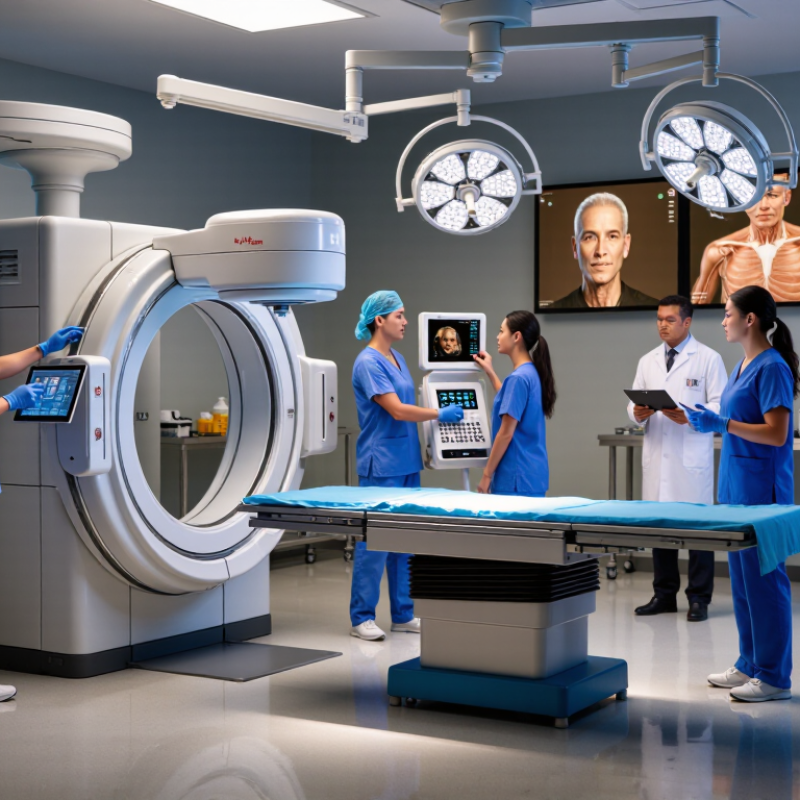
How to train staff on using complex surgical imaging systems? Effective training combines manufacturer guidance, clinical education, and supervised practice. Staff should learn system controls, image optimization, sterile handling, troubleshooting, and emergency procedures. A practical session might include selecting the correct imaging mode, adjusting depth, and recognizing image artifacts. Staff can rehearse these steps beside a simulated operating table. They should also practice communicating exposure concerns and equipment faults clearly.

Competency should be assessed through observation, checklists, and realistic scenarios. An experienced clinical educator can evaluate whether staff maintain sterility while adjusting a touchscreen. Engineers can explain alarms, software limits, and maintenance requirements. Surgeons can assess whether images support timely decisions. Documentation matters, especially when several staff members use the same platform.

Small gaps become serious under pressure.

Training should not end after one demonstration. Refresher sessions, incident reviews, and peer feedback reveal weaknesses that routine use may hide. No program is flawless. Some teams may overemphasize technical buttons and underprepare staff for communication failures. Reviewing those limitations builds a more reliable learning culture. When competence is measured and reinforced, complex imaging becomes safer, faster, and more dependable for the entire surgical team.
Why Train Staff on Complex Surgical Imaging Systems?

Complex Surgical Imaging Systems: Modalities, Functions, and Clinical Roles

Complex surgical imaging is a set of tools, not a single screen. Mobile C-arms provide live X-ray views during device placement and bone alignment. Intraoperative ultrasound shows soft tissue without ionizing radiation, while CT can clarify anatomy when two-dimensional views are insufficient. MRI supports selected procedures where detailed soft-tissue contrast matters, but its magnetic environment demands strict equipment checks. Different tasks, different risks.

Staff need to understand what each image can and cannot show. A surgeon may ask for a steeper C-arm angle; the technologist must anticipate collisions, protect the sterile field, and keep anatomy visible. The FDA’s fluoroscopy safety guidance identifies skin effects as possible around a 2 Gy skin dose, making dose awareness part of routine operation—not an afterthought. IAEA guidance, Radiation Protection and Safety in Medical Uses of Ionizing Radiation, likewise emphasizes justification and optimization of exposure. Those principles become practical when teams know how to select pulse rates, collimate the beam, and interpret dose indicators. A sharp image is not always a useful one. I have seen teams focus on the monitor while missing a cable crossing the room; training should include the physical setup, not just buttons. Simulation and supervised practice help staff respond calmly when views change or equipment behaves unexpectedly.

Patient Safety: WHO Estimates Harm in 1 in 10 Healthcare Encounters

The World Health Organization estimates that about one in ten patients experiences harm during healthcare. This figure covers many settings and causes; it does not measure harm caused by surgical imaging systems alone. Even so, it highlights why reliable processes matter around surgery, where a misplaced setting or misunderstood image can affect decisions.

Training helps staff learn how to prepare equipment, check image orientation, and respond when the display differs from expectations. In a busy operating room, clear communication matters too: a brief confirmation before imaging can catch a misunderstanding. Small details matter. Staff should also know when to pause and seek help rather than guess. Practice helps.

Effective training should reflect the actual equipment, team roles, and local procedures. Short simulations can let staff rehearse routine checks and less familiar situations without pressure. Competence should be observed, not assumed from attendance alone. Still, training cannot prevent every error; fatigue, interruptions, and unclear workflows remain risks. A checklist may help, but only if people understand it and can use it under real conditions. Teams may need to revisit their approach when near misses reveal that a step looked clear on paper but was easy to miss in practice.

Radiation Protection: ICRP Recommends a 20 mSv Annual Worker Dose Limit

The ICRP recommends an occupational effective dose limit of 20 mSv per year, averaged over five years. A worker should not receive more than 50 mSv in any single year. These figures describe limits, not safe doses to aim for. National requirements may differ, so facilities should check the rules that apply locally.

Complex surgical imaging can make exposure patterns hard to judge. A staff member may stand near a patient while a mobile imaging unit is active, then move behind a protective screen. Training should make these choices practical: step back when possible, use shielding correctly, and keep hands out of the primary beam. Small habits matter. Personal dosimeters also need correct placement and regular review; a badge worn under an apron may not show the same exposure as one worn outside it. Staff should know whom to contact when readings rise or equipment changes. A brief demonstration beside the operating table can reveal gaps that a slide cannot. Yet training alone cannot fix poor room layout or rushed workflows. That deserves honest review.

Radiation Protection: Recommended Annual Effective Dose Limits

ICRP recommendations provide reference limits for occupational and public exposure.

Staff operating complex surgical imaging systems need training to use radiation protection measures and dose-monitoring procedures effectively. The occupational limit is 20 mSv per year averaged over five years, with no more than 50 mSv in any single year. The public limit is 1 mSv per year.

Source: International Commission on Radiological Protection (ICRP), Publication 103. Limits shown are effective dose limits; patient medical exposure is not represented.

Staff Competency: FDA Human-Factors Principles for High-Risk Equipment

Complex surgical imaging systems place staff under pressure. A misplaced setting or misunderstood alert can interrupt a procedure.

Training should reflect how equipment is actually used, not just how it appears in a manual. FDA human-factors principles emphasize intended users, tasks, and use environments. In practice, that means including surgeons, technologists, and other staff who interact with the system.

Use realistic scenarios. Have staff adjust image orientation, respond to an alarm, and confirm the displayed view before a critical step. Practice should cover routine workflows and foreseeable interruptions, such as a changed room setup or a handoff between operators.

Keep the controls familiar. This matters.

Competency checks should observe actions, not rely only on attendance or a quiz. Can the user find the right control? Do they notice when an image does not match the expected anatomy?

Record gaps, offer targeted practice, and check skills again after software or workflow changes. FDA guidance treats usability as a safety consideration; training supports safe use but cannot compensate for confusing design.

One awkward truth: refresher sessions can become rushed. That gap deserves attention, especially when staff feel reluctant to admit uncertainty. The room is busy. Clear, repeated practice makes it easier to speak up and pause when something looks wrong.

Performance Evaluation: Measure Dose, Repeat Imaging, Errors, and Procedure Time

Training on complex surgical imaging systems should be evaluated through observable performance, not attendance alone. Track radiation dose, repeat imaging, operational errors, and procedure time across comparable cases. Record the procedure type and relevant patient factors, since a longer or more complex case can distort simple comparisons. Keep the baseline consistent.

Dose data can show whether staff use imaging settings appropriately, but lower dose is not automatically better if image quality suffers. Track repeat images and their reasons: patient movement, poor positioning, or a missed view may point to different training needs.

Note errors such as selecting the wrong protocol or delaying image capture. Small mistakes matter. Record procedure time from a clearly defined start and stop point, and separate imaging-related delays from other causes.

Review results with staff soon after training, using specific examples from the room. A brief debrief can connect a repeated image to positioning, rather than blame.

Our first scorecard may look precise while hiding differences between cases. That deserves scrutiny. Compare trends over time, check whether documentation is complete, and invite staff to explain unexpected results.

A rise in procedure time may reflect careful practice, not declining skill. Metrics need context and periodic revision.

FAQS

What tools can complex surgical imaging systems include?

They may include mobile C-arms, intraoperative ultrasound, CT, and MRI. Each supports different clinical tasks.

What does a mobile C-arm help staff see?

It provides live X-ray views during device placement and bone alignment. Staff must also watch for collisions and cables across the room.

How does intraoperative ultrasound differ from X-ray imaging?

Ultrasound shows soft tissue without ionizing radiation. It is useful, but it cannot answer every imaging question.

Why do teams need to understand each system’s limits?

Images can vary in clarity and detail. A sharp image is not always useful for the decision at hand.

What practices help manage radiation exposure?

Staff can select appropriate pulse rates, collimate the beam, and review dose indicators. Lower dose alone does not guarantee a useful image.

What should training for imaging equipment include?

It should cover equipment checks, image orientation, team roles, and physical room setup. Simulation and supervised practice can help staff respond calmly.

How can teams check whether training works?

Observe staff performance and track dose, repeat images, errors, and procedure time. Attendance alone is not enough.

Why should performance results be reviewed with context?

Case complexity, patient factors, and careful practice can affect results. A longer procedure does not automatically mean poorer skill.

What can repeat imaging reveal?

The reason matters. Movement, positioning, or a missed view may each point to a different training need.

What should staff do when an image or setting seems unexpected?

Pause, communicate, and seek help rather than guess. A brief confirmation can catch misunderstandings.

Conclusion

Complex surgical imaging systems combine technologies such as fluoroscopy, computed tomography, and image-guided navigation to help clinicians visualize anatomy and guide procedures. Their capabilities can improve precision, but safe use depends on staff understanding system functions, image quality, positioning, and the limitations of each modality. Training should be practical and role-specific, helping teams communicate clearly and respond appropriately when imaging needs change.

Patient safety is central: the World Health Organization estimates that harm occurs in about one in ten healthcare encounters, underscoring the value of reliable procedures and competent equipment use. Radiation protection should also be part of instruction, including exposure awareness, dose-reduction practices, and the ICRP’s recommended occupational dose limit of 20 mSv per year. How to train staff on using complex surgical imaging systems? Combine hands-on practice, human-factors principles for high-risk equipment, and regular competency checks. Evaluate progress by tracking dose, repeat imaging, user errors, and procedure time, then use the findings to strengthen training and improve performance.

Sophia

Sophia

Sophia is a dedicated marketing professional with an exceptional depth of knowledge about her company's products and services. With a keen understanding of market trends and customer needs, she crafts insightful blog posts that not only inform but also engage readers, enriching the company’s online......