📋 Basic Information
Certification
CE, ISO13485
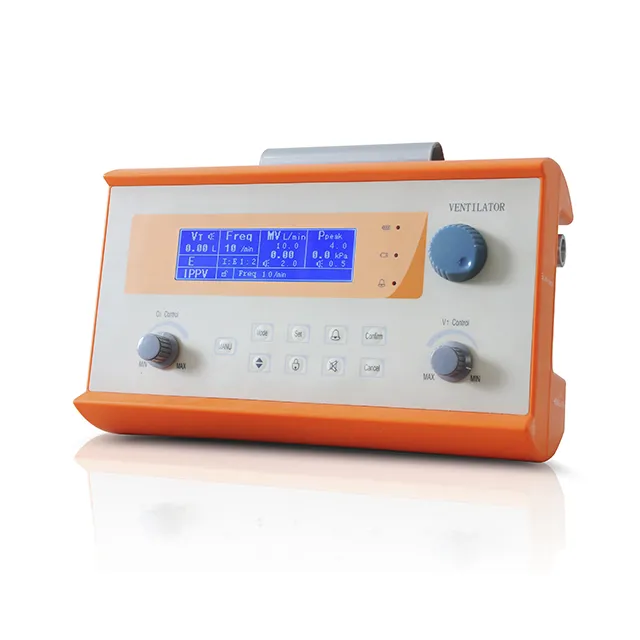
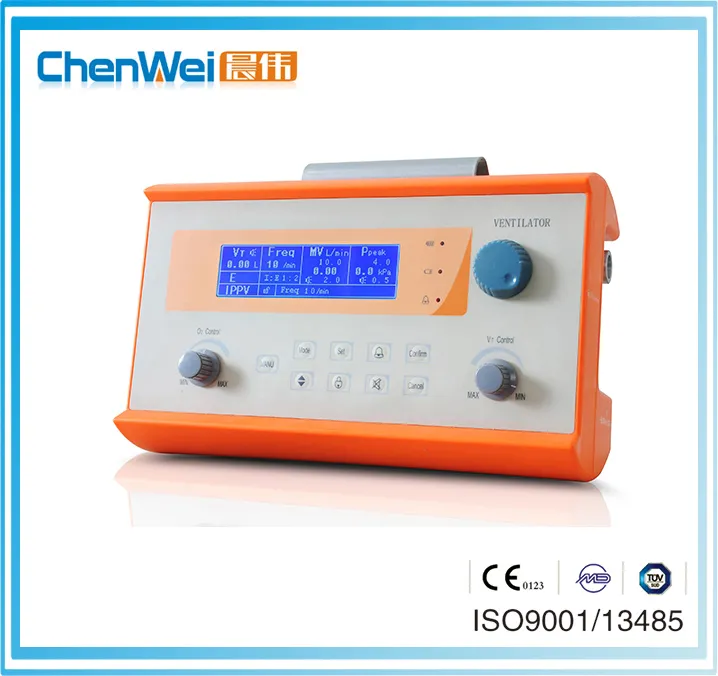
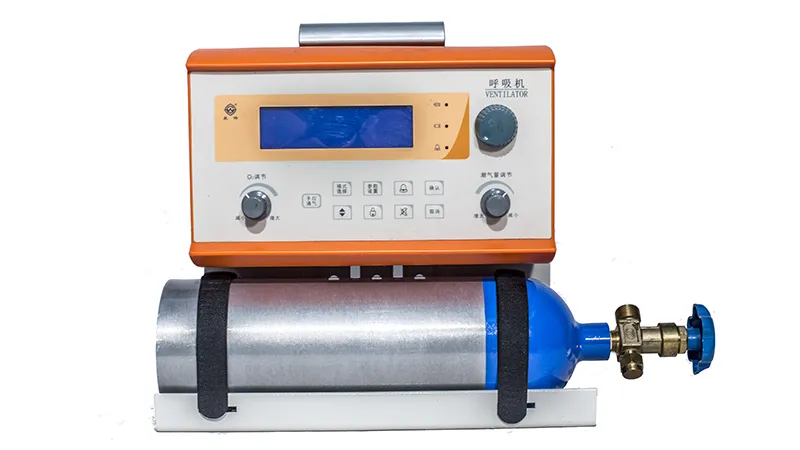
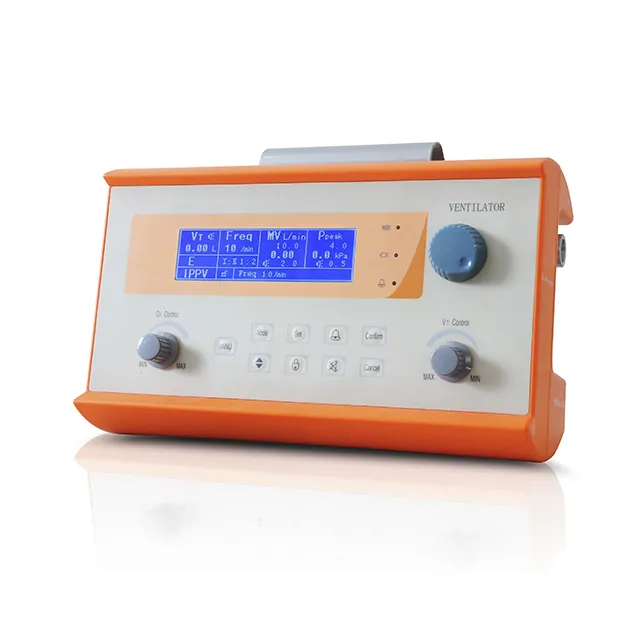
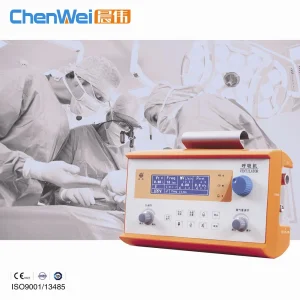
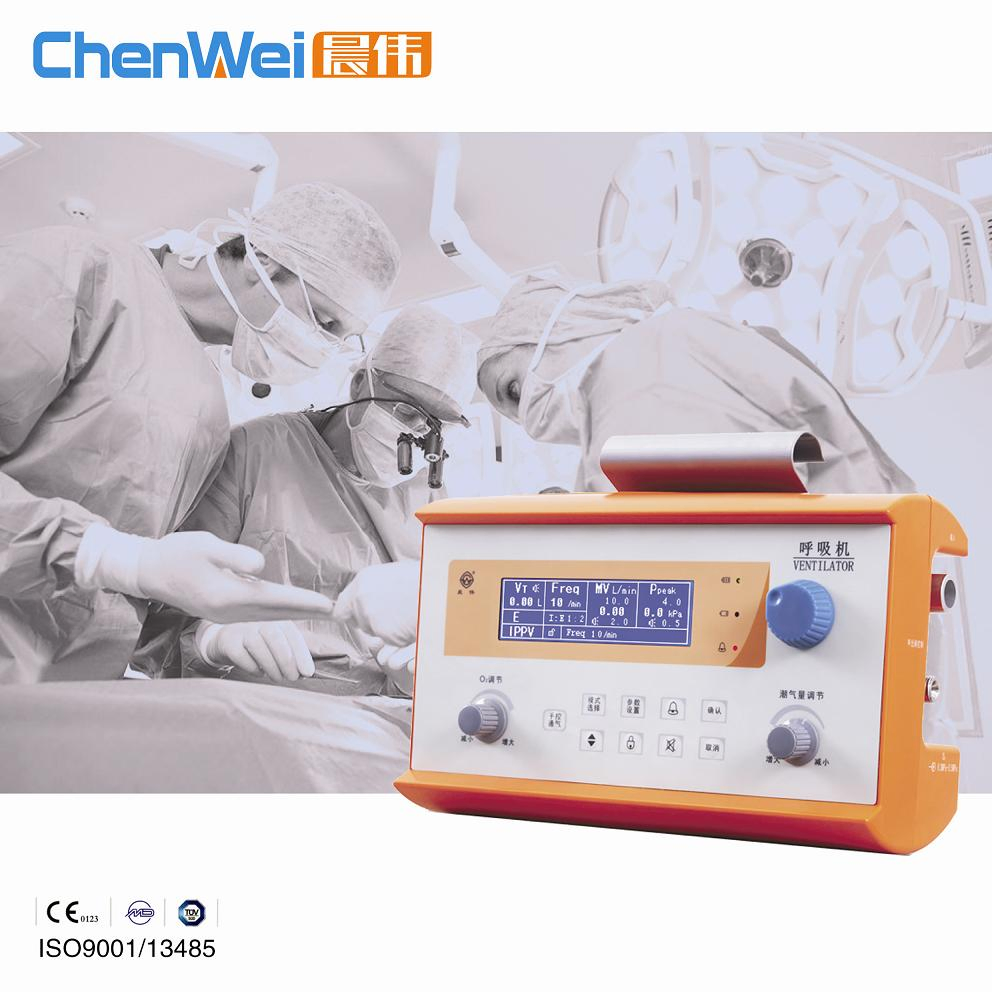
LCD Display
With LCD Display
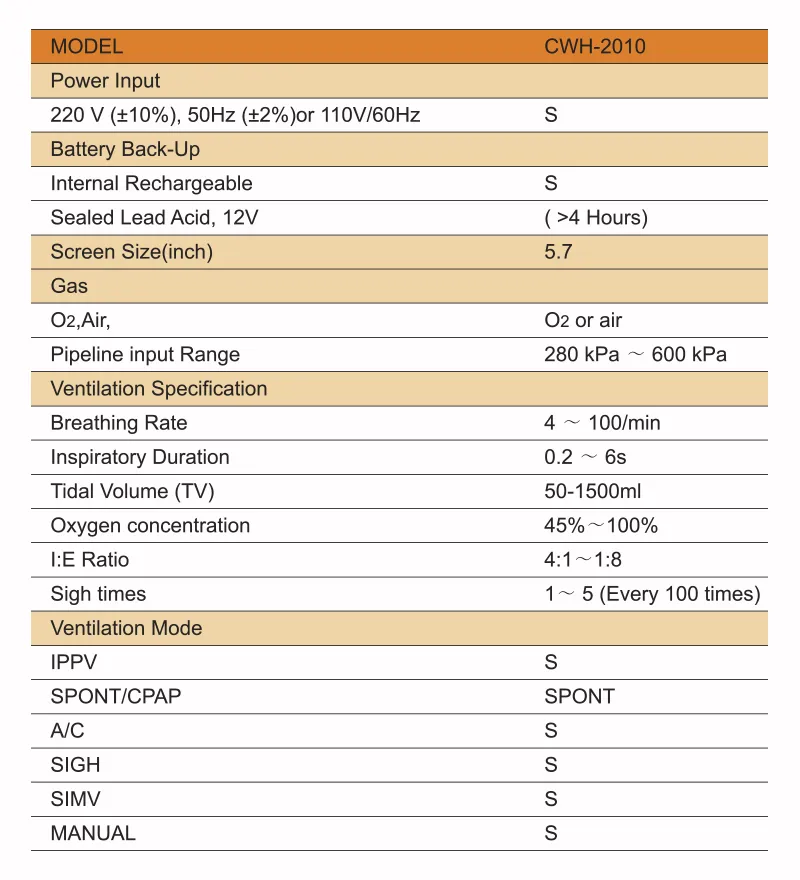
Ventilation Mode
IPPV, SIMV, SIGH, SPONT, Manual (Optional: CPAP)
Production Capacity
5000 PCS/Year
🚀 Product Description
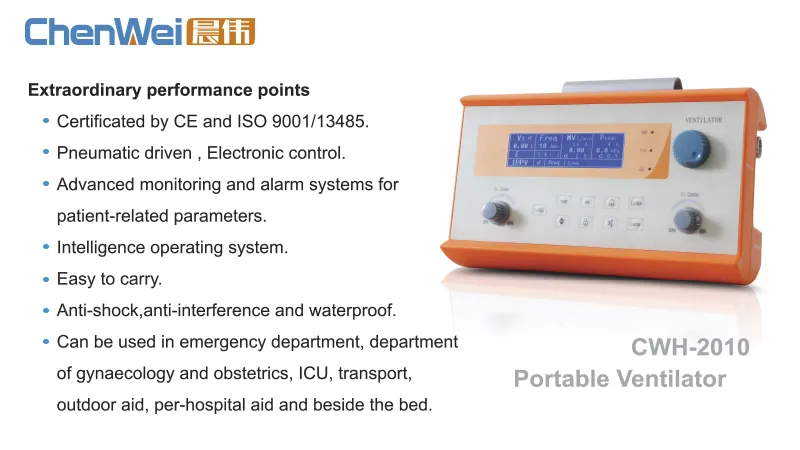
| Ventilator Model |
CWH-2010 |
| Applied for |
Adult and Child |
| Control System |
High-intelligent control system |
| Power Supply |
110 to 220V AC ± 10%, 50 to 60Hz ± 2%, built-in battery for backup |
| Waveform Display |
Pressure-time (Optional: Flow-time) |
Main Features:
- Suitable for both adult and pediatric patients
- Equipped with a high-intelligent control system
- Integrated LCD display for real-time ventilation parameters
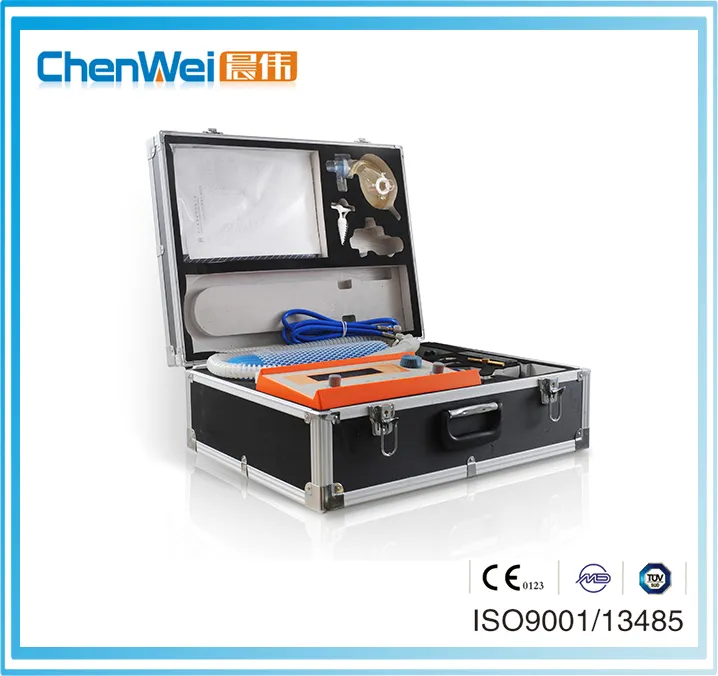
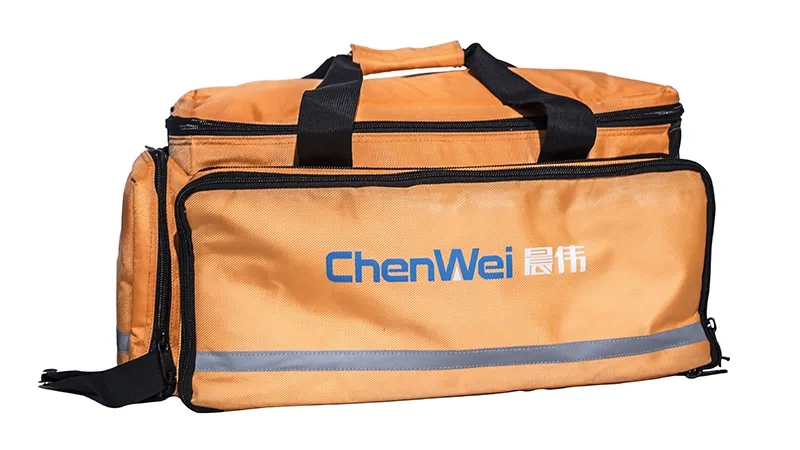
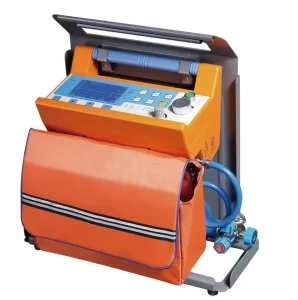
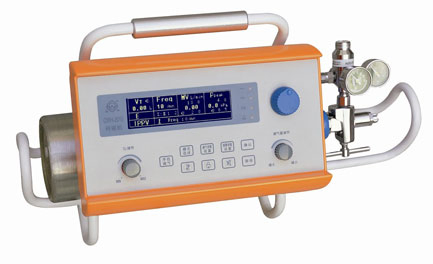
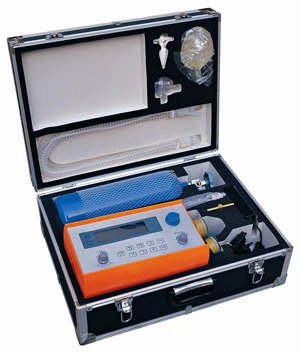
- Lightweight and compact design optimized for transport
⚙️ Technical Specifications
- Gas Source: O²
- Ventilation Modes: IPPV, SIMV, SIGH, SPONT, and Manual (Optional: CPAP, PEEP)
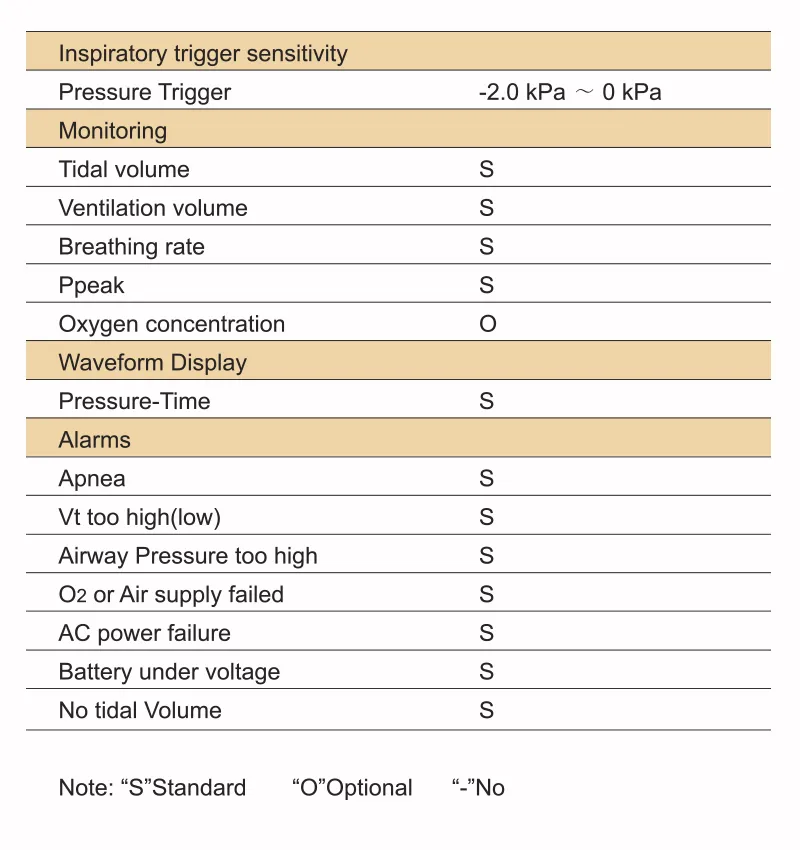
- Parameter Monitoring: Tidal volume, minute volume, frequency, inhaling time, airway pressure, and PEEP (Optional: O² Concentration)
- Waveform Display: Pressure-time (Optional: Flow-time)
- Alarm System: No tidal volume, minute volume too high/low, airway pressure too high/low, AC power failure, backup battery low
Frequently Asked Questions
Who can use the CWH-2010 ventilator?
The CWH-2010 is designed for both adult and pediatric patients, making it versatile for various clinical needs.
What are the available ventilation modes?
Standard modes include IPPV, SIMV, SIGH, SPONT, and Manual. Optional modes like CPAP and PEEP are also available.
Does this device have a backup power source?
Yes, it features a built-in backup battery to ensure continuous operation during AC power failures.
Is the CWH-2010 suitable for emergency transport?
Absolutely. Its lightweight design and robust build make it ideal for ambulance use and patient transport.
What parameters can be monitored on the display?
The system monitors tidal volume, minute volume, frequency, inhaling time, airway pressure, and PEEP. O² concentration monitoring is optional.
What safety alarms are integrated into the system?
The ventilator includes alarms for volume discrepancies, pressure fluctuations, power failure, and low battery levels to ensure patient safety.
 Medovia Medical